
This Is Why Wallpaper Is Changing Modern Homes in 2026
- Carlos André de Oliveira Teixeira
- Mar 19
- 3 min read


In recent years, wallpaper has become one of the most impactful elements in modern interior design. What was once considered a secondary decorative option is now a defining feature in how spaces are perceived and experienced.
As professionals who work closely with wall finishing and interior aesthetics, we frequently see how the right wallpaper choice can influence the overall identity of a space. Many homeowners seek solutions that go beyond paint, aiming for a more refined and intentional result.
While design preferences vary, the execution behind each project plays a critical role. This guide explains why wallpaper continues to gain relevance in 2026 and how proper application contributes to a clean, long-lasting finish.
What Defines Modern Wallpaper Design in 2026?
Modern wallpaper design is defined by a combination of visual impact and subtle refinement.
Current trends often include:Material-driven texturesBalanced color palettesPattern consistencyIntegration with architectural elements
From a technical perspective, material quality and surface compatibility are essential factors that influence the final result.
Why Execution Quality Matters in Wallpaper Installation
Wallpaper has become a strategic element in shaping interior environments.
When properly selected and applied, it can:Create visual depthDefine focal pointsEnhance spatial perceptionComplement lighting and furniture
This transformation is not limited to aesthetics. It also reflects a shift toward more intentional and curated interior spaces.
Why Execution Quality Matters in Wallpaper Installation
The final outcome of any wallpaper project depends heavily on execution.
Professionals evaluate: Wall condition Surface preparation Material behavior Alignment precision
From an application standpoint, improper handling can lead to visible seams, misalignment, or reduced durability.
Working with experienced professionals ensures that the installation meets both visual and structural expectations.
What Types of Spaces Benefit Most from Wallpaper?

Wallpaper can be applied across different environments, depending on the desired effect.
Residential Spaces
Living rooms
Bedrooms
Dining areas
Commercial Spaces
Offices
Retail environments
Hospitality settings
Accent Applications
Feature walls
Entry areas
Architectural highlights
Each application requires a specific approach to ensure consistency and visual balance.
Material Selection and Surface Considerations
Different wallpaper materials require different handling techniques.
Common considerations include: Surface texture Humidity levels Adhesion requirements Pattern repetition
From a technical standpoint, selecting the appropriate material for each environment is essential to ensure long-term performance.
Supporting Factors in Professional Wallpaper Projects
High-quality wallpaper projects rely on multiple factors working together.
These include: Accurate measurement Consistent alignment Clean finishing Material compatibility
Even small inconsistencies can impact the overall appearance of the installation.
Final Thoughts: Wallpaper as a Defining Element in Modern Homes
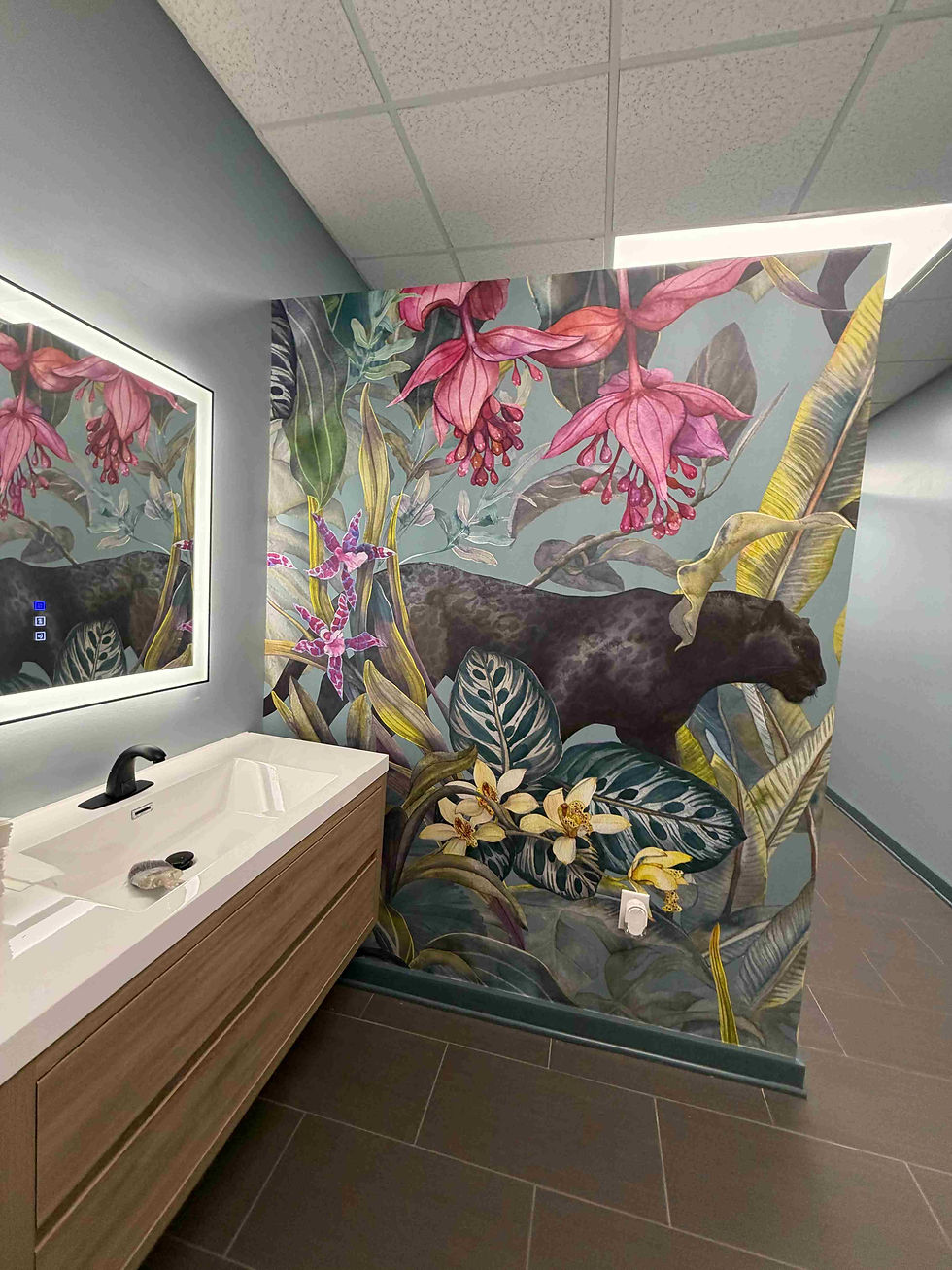
Wallpaper continues to redefine how interior spaces are designed and experienced.
When properly planned and professionally executed, it contributes to a more refined, structured, and visually cohesive environment.
From a finishing perspective, quality is achieved through attention to detail, material understanding, and precise application.
Preparation and Execution Matter
The impact of wallpaper goes beyond design selection.
While aesthetic choices define the visual direction, execution determines the final result. Proper preparation, correct material handling, and precise installation ensure that the design performs as intended.
At a professional level, the focus remains on delivering clean, consistent, and high-quality finishes aligned with modern interior standards.
Comments